Prepare for the 2026 election cycle at our one-day LLG Elections Conference, designed for local authority professionals involved in the local elections. This conference brings together leading experts and senior practitioners to provide practical guidance, insight, and real-world lessons to help you strengthen resilience, manage risks, and safeguard the integrity of local elections.
The day begins with Electoral Risk Management for 2026, exploring emerging challenges such as misinformation, operational pressures, staffing, and public trust, with strategies to proactively plan and mitigate risks. We then move into Reflections and Realities: Lessons from Recent Elections, where recent election experiences are examined, covering staff safety, candidate behaviour, and evolving voter ID requirements, helping attendees apply past lessons to future planning.
Sessions on The Role of the Returning Officer provide a clear guide to statutory compliance, legal responsibilities, and practical steps for success, whether you are an experienced officer or aspiring to the role. How to Deal with Election Petitions demystifies the process, reviews recent cases, and offers advice on prevention and response. We also explore Election Postponement and Political Change, offering insight into the legal and political landscape post-election. The conference concludes with Voter ID: Pitfalls and Practicalities, examining operational and legal challenges while providing practical solutions to ensure smooth, compliant, and accessible polling.
By attending, delegates will gain actionable advice, strengthen confidence in decision-making, and stay ahead of the legal and operational challenges facing elections in 2026. Network with peers, learn from leading barristers, LLG’s corporate partners and election experts, and leave equipped with the knowledge and strategies needed to deliver secure, resilient, and successful elections.
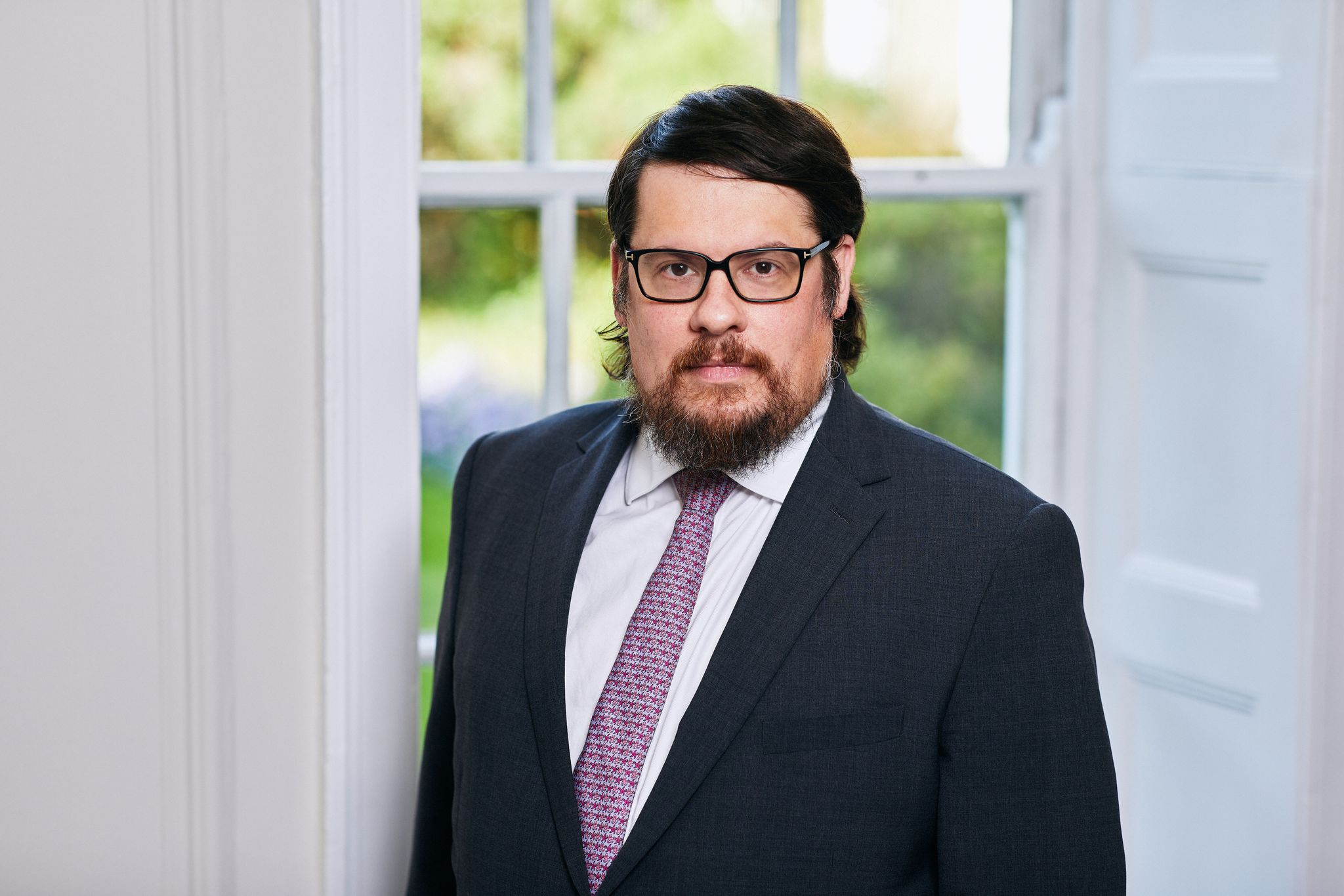

Mark Heath has over 30 years of service within the public sector. He has acted for a variety of clients including local authorities, fire and rescue authorities, combined authorities and public authorities bodies or statutory bodies discharging public functions. He was, until December 2016, working at Southampton City Council where he was Solicitor to the Council (and Monitoring Officer) for 20 years. Subsequent to that, he held the positions of Director of Place and subsequently Chief Operating Officer at Southampton. Mark has also served as the Local Returning Officer at Southampton from 1994 until September 2024, held various regional returning officer roles during this time, served on several groups convened by Government and the Electoral Commission on electoral law, policy and practice and has undertaken various inquires and reviews into electoral issues across the UK as well as lecturing and writing on the topic.

Vivienne is an election law specialist. She is the editor of one of the leading election law commentaries: Parker’s Law and Conduct of Elections (formerly assistant editor to Richard Price OBE KC 2017-2024). She has acted and advised in a variety of urgent, sensitive and high-profile matters.
“She has first-class knowledge in the election law space.”
(Legal 500)
“A remarkable junior whose star is in the ascendant”
(Chambers and Partners)

Ben specialises in public, planning and environmental law for public bodies, corporate sector bodies and affordable housing providers. He is recognised in both the Legal 500 and Chambers as an expert in planning and environmental law. Key areas of work include large infrastructure projects, section 106 agreements, and advising on local authority elections.

Emyr is a Roll A Parliamentary Agent, authorised to promote and oppose private and hybrid bills in the Westminster Parliament.
He has over 15 years’ experience of drafting, promoting and opposing primary and secondary legislation, including drafting amendments to public legislation. He negotiates agreements and parliamentary assurances and undertakings and advises on parliamentary procedure. He also acts as an advocate before parliamentary committees in the Commons and the Lords.
Emyr has extensive experience of nationally significant infrastructure projects and regularly advises on all aspects of the development consent order regime, from the validity of pre-application consultations to special parliamentary procedure. Emyr also advises on compulsory purchase and on environmental, highways, and planning law.
Emyr is also acknowledged as an expert in electoral law and advises election administrators on the complex procedural requirements connected with running elections and referendums. He also acts for Returning Officers when the conduct an election is challenged and has been instructed by ROs in the most significant election cases of the past decade. Emyr advises non-aligned campaigning organisations on spending during election periods and has advised individuals and organisations who have been the subject of investigations by the Electoral Commission.
Emyr has, for a number of years, been recognised for his expertise in parliamentary agency and electoral law in both the Legal 500 and Chambers & Partners.

Lindsay is currently Assistant Director for Democracy and Governance at Sheffield City Council. She is also one of the council’s Deputy Monitoring Officers. Lindsay began her local government career in Democratic Services in the late 1980s and moved into electoral administration in 2010 at Peterborough City Council. Since then, she has held senior management roles in electoral, democratic and information governance departments and has been responsible for the planning and delivery of elections at a number of authorities, from small rural authorities to large metropolitan boroughs. She is the current Immediate Past Chair of the Association of Electoral Administrators, and a member of their management team. Lindsay is also an accredited trainer for the Association.
 Related events




 09:30 - 16:30
 Online

